
Dental hygiene practices are intended to keep the teeth, gums and mouth clean and lower the chances of developing dental disease. At the core of dental hygiene is an at-home regimen of brushing and flossing.
TRUSTED WITH PROVIDING EXCELLENCE IN ORAL HEALTH
Why Are At-Home Dental Hygiene Habits Important?
Dental hygiene habits like brushing and flossing are important for removing leftover food particles and other debris from your mouth. Naturally-occurring bacteria in your mouth can feed on these particles and produce a clear, sticky film called plaque. If plaque is not removed, it can harden above or below your gumline into tartar, which is full of bacteria and cannot be removed from at-home brushing or flossing. The acid in plaque eats away at your tooth enamel, creating tiny little openings or holes (i.e., cavities). Plaque can also cause irritation and inflammation of the gums, known as gum disease.
Dental problems like cavities and gum disease can be painful and uncomfortable. If they get bad enough, they can interfere with your chewing and biting function. Other dental health problems, like bad breath and noticeable tooth decay, can be embarrassing.
If dental problems get bad enough, they can eventually require a lot of dental appointments to treat. This may cost you valuable time and money.
Is it easier to understand why dentists emphasize the importance of at-home oral hygiene habits? Taking a few minutes every day to brush and floss your teeth can prevent you from pain, costly dental care and time away from your work, family and friends.
Why See a Professional Dental Hygienist?
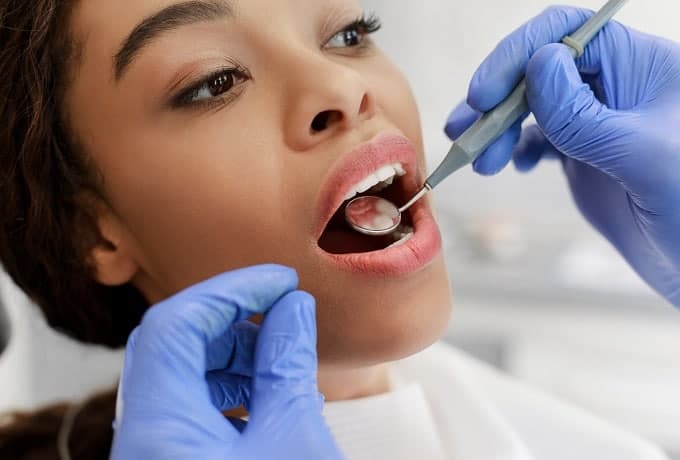
While your day-to-day hygiene habits are vital, they should be supplemented with regular visits to a dentist for cleanings and exams. Professional cleanings offer the opportunity to remove bacteria and plaque in areas of your mouth like between your teeth and under the gumline that your toothbrush and floss can’t reach or often miss. Regular exams allow our team the chance to detect any emerging problems like cavities or gum disease in their earliest stages, when they are more treatable with less invasive means.
According to the American Dental Association, the average person should see a dentist every six months for preventative visits; however, depending on your current oral health and overall health, you may be advised to see Drs. Porter and Purifoy more regularly.
Why Choose Us For Dental Hygiene Care
At Porter Dental Health Clinic in Hot Springs, our dental hygienists and dentists work together to support your long-term oral health. Patients from Hot Springs and nearby Malvern choose our office because we focus on prevention, consistency, and education at every stage of dental care.
Our hygienists serve as your first line of defense against cavities and gum disease. During each visit, they remove plaque and tartar buildup, evaluate gum health, and monitor areas that may need extra attention. They also take time to review your brushing and flossing habits and offer practical guidance that fits your routine.
After your cleaning, Dr. Lance Porter or Dr. Jacob Purifoy completes a thorough exam. This team-based approach allows us to identify concerns early and recommend conservative treatment when needed. By combining preventive cleanings with comprehensive exams, we help you maintain healthy teeth and gums for a lifetime.
We believe preventive dentistry works best when patients feel informed and supported. Our hygiene team partners with you to build strong habits that reduce the risk of discomfort, extensive treatment, and unnecessary expense in the future.
FAQs About Dental Hygiene
Why Is Daily Brushing and Flossing So Important?
Brushing and flossing remove food particles and plaque before bacteria can cause damage. If plaque remains on the teeth, it can harden into tartar and increase the risk of cavities and gum inflammation. Consistent at-home care helps protect enamel and support healthy gums.
How Often Should I Schedule a Professional Cleaning?
Most patients benefit from professional cleanings every six months. Some individuals with gum disease or a higher risk of decay may need more frequent visits. Our team will recommend a schedule based on your oral health history and current findings.
What Does a Dental Hygienist Check During My Visit?
Your hygienist examines your gums for signs of inflammation, measures gum pockets when necessary, and looks for areas where plaque accumulates. They also remove hardened buildup and polish your teeth to create a clean surface that resists bacteria.
Why Can’t I Remove Tartar at Home?
Once plaque hardens into tartar, it bonds firmly to the tooth surface. Toothbrushes and floss cannot remove it safely. Specialized dental instruments allow our hygiene team to remove tartar without damaging enamel or gum tissue.
Can Good Oral Hygiene Improve Overall Health?
Research continues to show connections between gum health and systemic conditions such as heart disease and diabetes. Maintaining healthy gums may help reduce inflammation in the body and support overall wellness.
Is Bad Breath Related to Oral Hygiene?
Yes. Bacteria that collect on teeth and along the gumline can contribute to persistent bad breath. Thorough brushing, flossing, and routine professional cleanings help reduce odor-causing bacteria and keep your mouth feeling fresh.
A Healthy Mouth Is Good for Your Oral Health
Although taking care of your teeth and gums is an important goal in and of itself, there are larger implication, too. An increasing body of research points to a link between oral health and overall health. Researchers are discovering that problems like gum disease have been linked to serious health problems like heart attack, stroke and diabetes. Thus, you can understand that keeping your mouth clean and healthy is important not only to your smile but to your overall health and wellbeing.
To learn more about at-home dental hygiene habits or to schedule your next exam/cleaning with Porter Dental Health Clinic, please contact our practice. You can give us a call at (501) 624-2778 or send us an email today!